A classroom token system is one of the most flexible applied behavior analysis tools you can use with your students. When set up correctly, token systems help students understand the connection between their behavior and reinforcement, even when that reinforcement isn’t immediate. This post walks you through exactly how to implement a classroom token system that actually works for your students.
Summary:
This post explains how to use a classroom token system based on ABA principles to reinforce appropriate behavior in special education. You’ll learn what token economies are in applied behavior analysis, the critical steps for setting them up effectively, different types of classroom token systems you can use, and important warnings about common mistakes. The focus is on individualizing systems so every student can be successful.
Table of Contents
What Is a Classroom Token System in ABA?
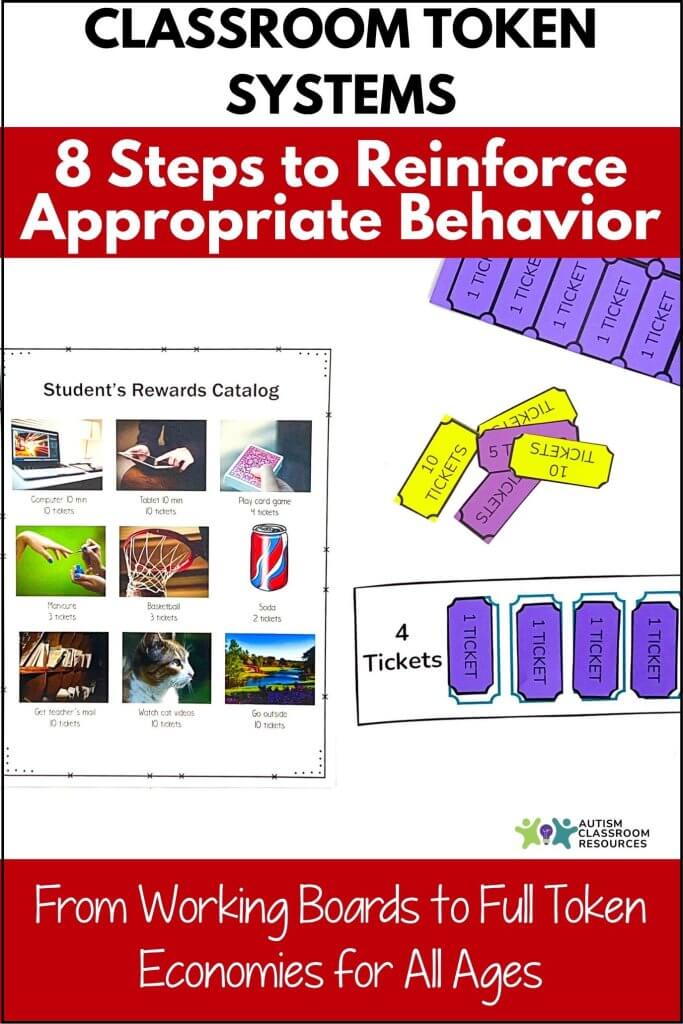
In applied behavior analysis, a classroom token system (also called a token economy) is a system where students earn tokens for following rules or displaying target behaviors. Each student may have their own point sheet or token board and can progress at their own rate.
A token economy (or system) is based the principle of positive reinforcement. You can learn more about positive reinforcement in this post.
With a token system, the tokens themselves become concrete representations of the reinforcer. This is a key ABA principle—the tokens are reinforcing because they lead to something bigger that the student wants and that has a history of increasing the behavior that it follows. Thus, positive reinforcement.
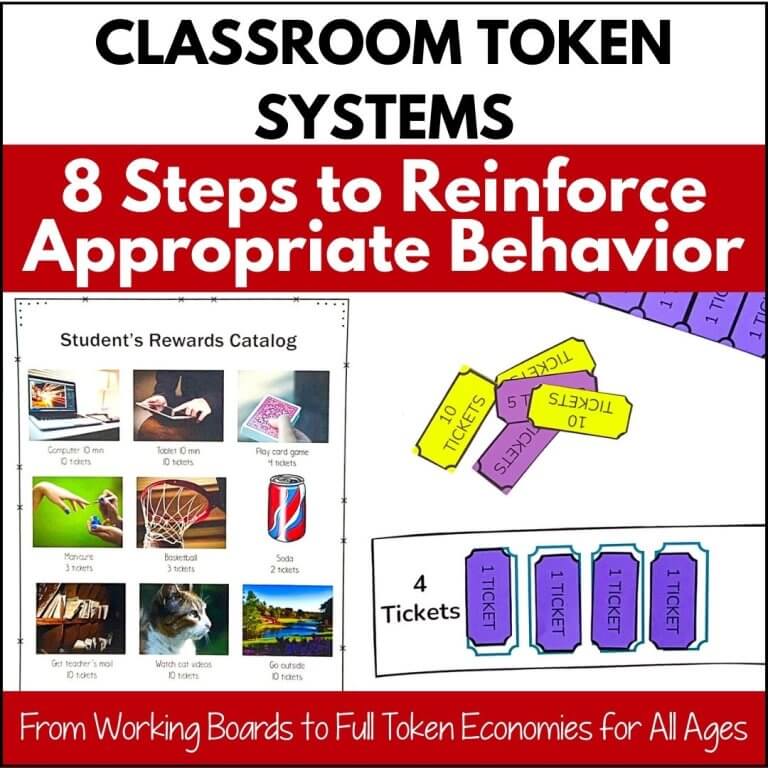
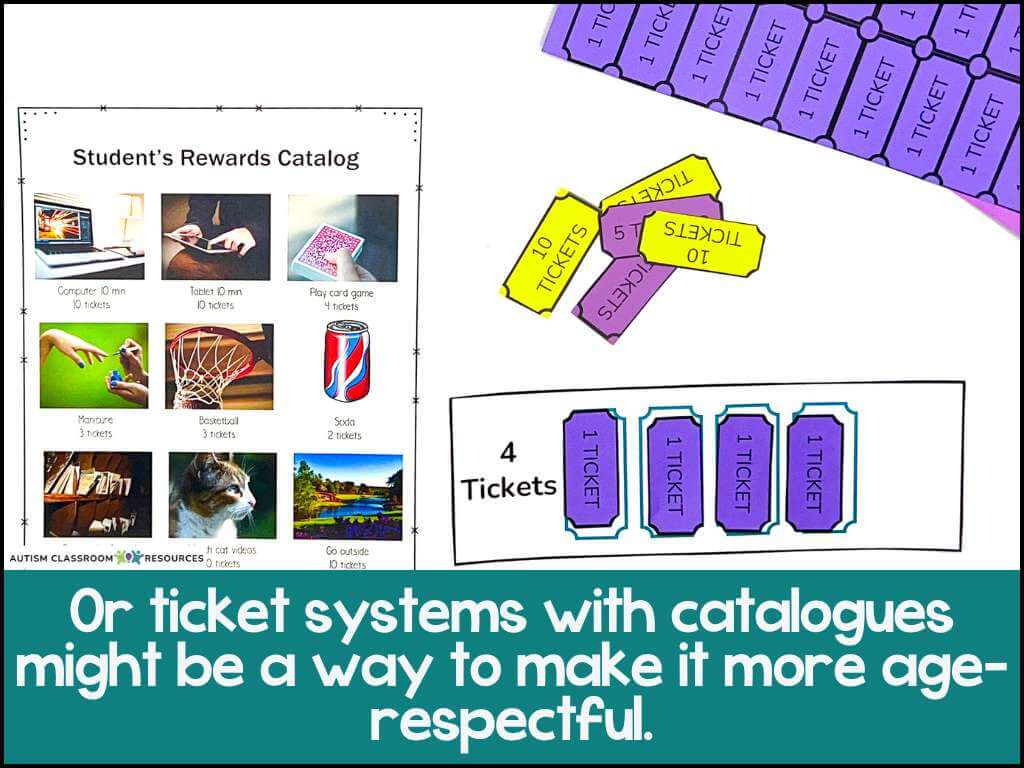
Reinforcers in a classroom token system can be standard (like a treasure chest everyone picks from) or individualized. You might have students shopping from individual catalogs of activities they can buy for certain amounts of tokens.
Token systems are an effective tool for behavioral support as part of an individual behavior plan or for keep classroom behavior on track. They are considered an evidence-based practice as part of the Reinforcement category according to the National Clearinghouse on Autism Evidence & Practice. But it is critical that we are using them in evidence-based manner for them to be effective.
Why Individualization Matters in Token Systems
One of the core principles of applied behavior analysis is individualization. The number of tokens students need to earn and the reinforcer they are earning must be individualized. We need to make sure that every student wins.
What works for one student won’t necessarily work for another. The same classroom token system may not work with every student, making individualization key. The best way to determine is this through trial-and-error and looking at your data to determine if the system is working.
Step 1: Choose and Define Your Target Behavior
First, make sure you are reinforcing a specific behavior or specific behaviors. If you’re not reinforcing something specific, it’s really going to become about how much you notice the student or attend to them, rather than the focus being on their behavior.
For example, if the behavior you are wanting to increase is being staying in his seat at specific times, you can provide the token when you observe that behavior at the time it occurs.
On the other hand, if you are trying to keep the student from blurting out answers in discussions, that’s a behavior you want to decrease (not increase). So you need to think about what you want him to do instead. For instance, you could give a token each time the student raises their hand and waits to be called on. Rather than trying to reinforce the absence of a behavior (i.e., NOT blurting out), you are reinforcing a behavior you can see and that is well defined.
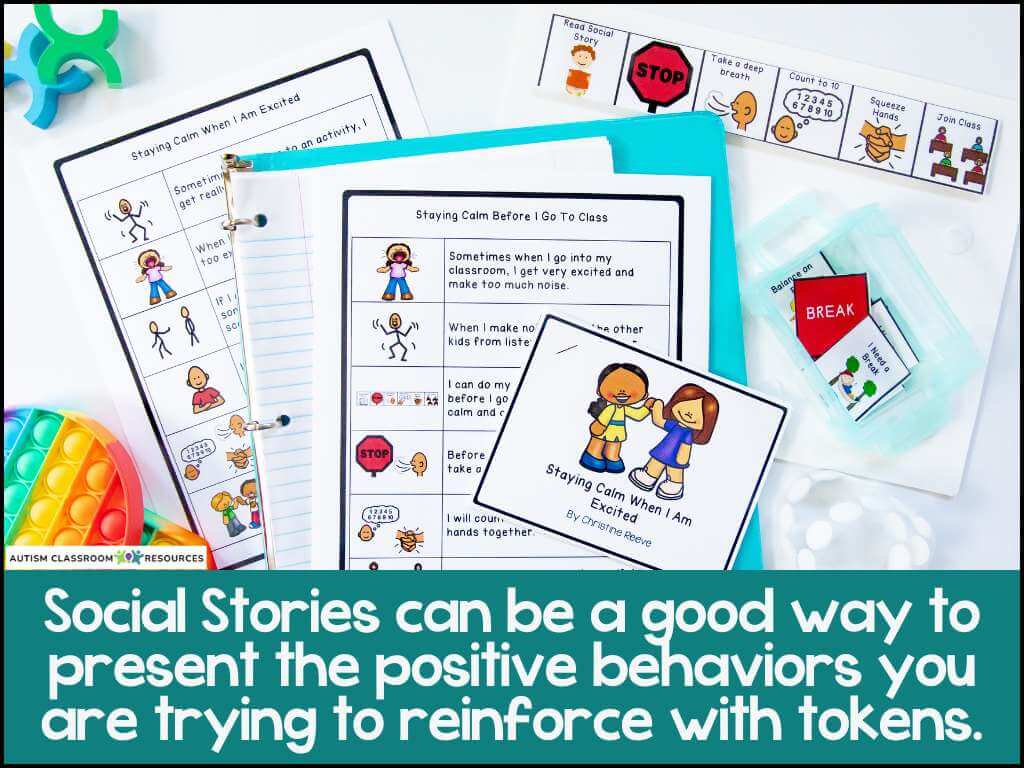
This is a fundamental principle of applied behavior analysis—operationally define the behavior. Make sure the student knows what it is and what it looks like. You can introduce the behavior in a social story or have it included in the visual classroom rules. If your behavior is a difficult to understand (e.g., being on-task), you could take a video of the student being on task and show it to them.
Demonstrate it, practice it, and have the student show it to you. Target behaviors for your classroom token system might be your positively stated classroom rules for the whole class, or they might be individual behaviors for an individual student.
Step 2: Select Your Classroom Token System Format
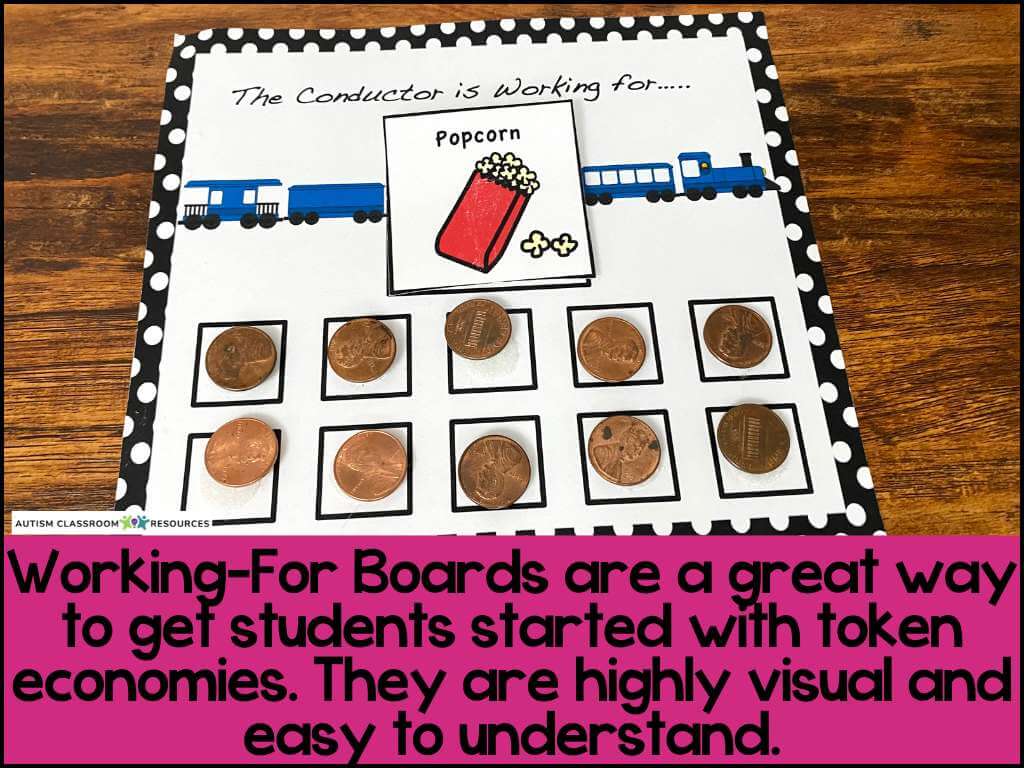
You can use many different types of classroom token system formats depending on your student’s needs. It might be an economy where they’re actually earning money and can buy things with it. Or it might be a token board where they can see how many tokens they’re earning.
Preschoolers might earn stickers. High school students might earn quarters, coins, or even a paycheck—even if they don’t know how to make change.
The choice of system depends on the student’s learning style, their strengths, their age, their developmental abilities, and how you’re going to use the system in your classroom. For instance, you might need a portable classroom token system that travels with the student throughout the day.
Step 3: Design How Students Track Their Tokens
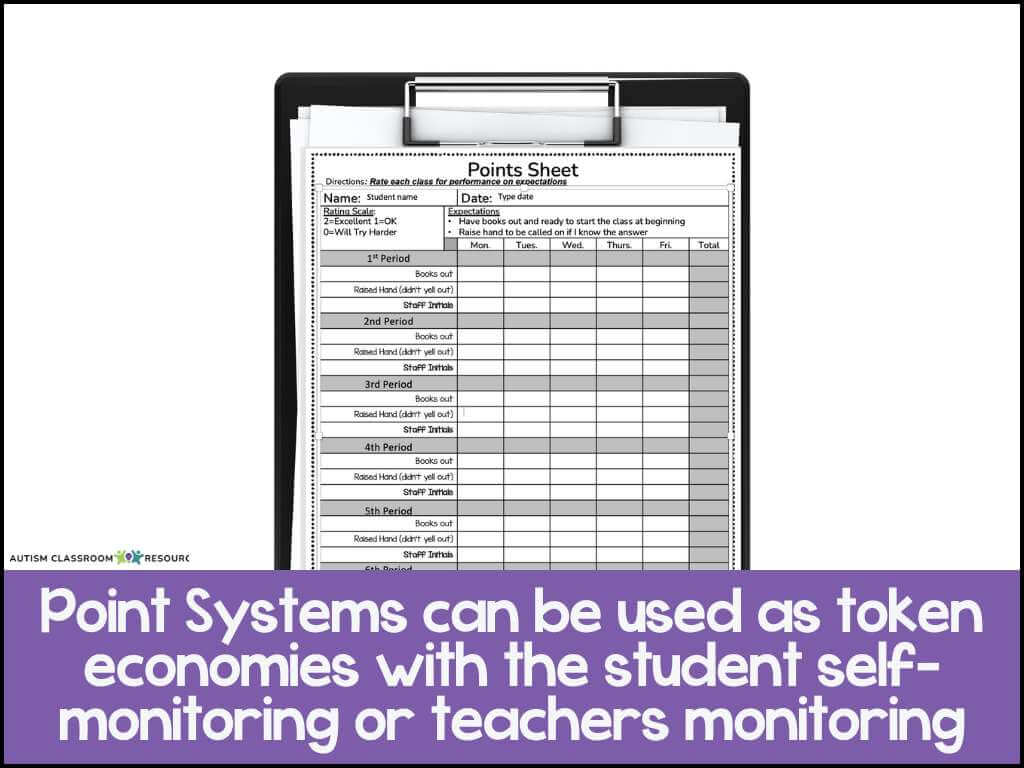
Students need a way to determine how many tokens they’ve earned and how many they have left. Some students can keep track of their earnings on paper.
Some may need a visual representation of how many are left by seeing how many open spaces still need to be filled. Some may keep their tokens in a bank, while others may need token strips.
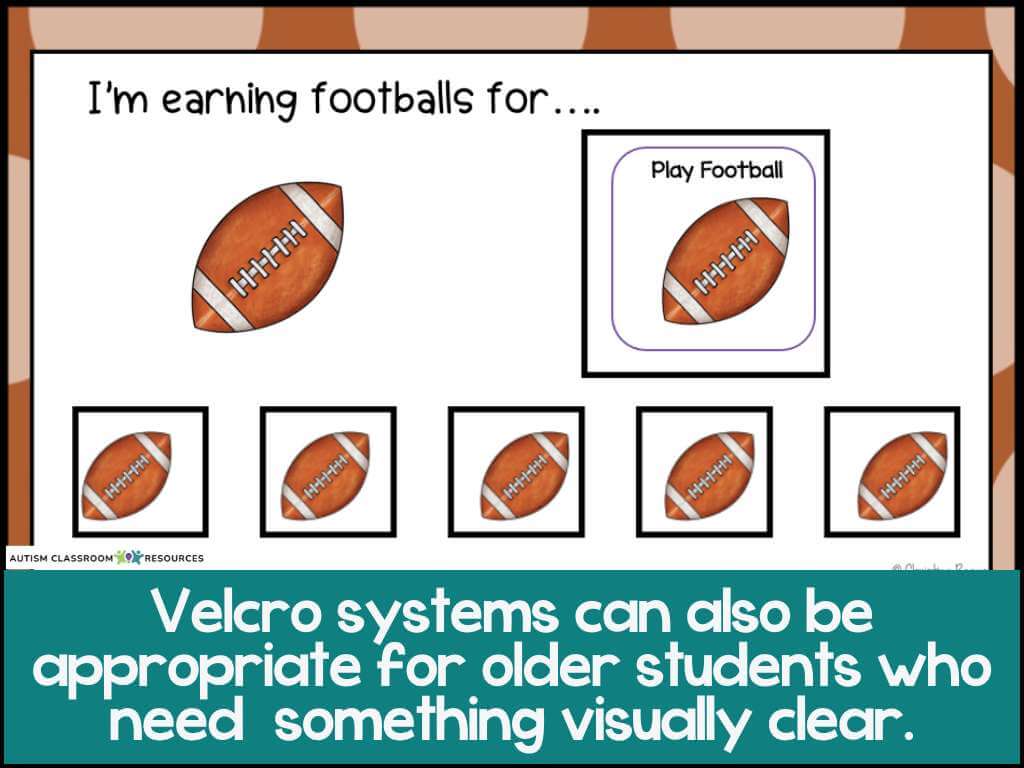
Portable systems can be especially helpful for classroom token systems. Thumbs up systems work well for elementary kids because if you don’t have a token with you, you can say you’ll give them a thumbs up when you get back. Students will always remind you.
Step 4: Determine Your Reinforcers
In ABA, reinforcement is what increases behavior. Your reinforcers need to be highly motivating. You can do an assessment to try to figure out what motivates each student.
It’s best if students have a choice because it makes reinforcers more motivating and keeps them fresh. Having options prevents reinforcers from becoming stale.
Sometimes the most powerful reinforcer isn’t what you’d expect. One student’s classroom token system wasn’t working for him using the treasure chest as a reinforcer. His behavior was all attention-seeking. So, instead of the Treasure Chest, when he earned all his tokens, the whole class would stop and sing “For He’s a Jolly Good Fellow”. That was more powerful than any treasure box prize. For him, social reinforcement was more reinforcing than tangible reinforcers.
Step 5: Choose the Right Number of Tokens
Take a baseline of the behaviors you’re tracking to see how many tokens the student would earn over three days or so. Then choose a number that’s slightly lower than that to start.
Looking for token economy tools for your classroom? Check out these toolkits for different ages and need.
-
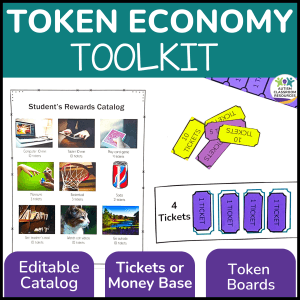
Token Economy System for Behavior Support for Special Education w/ Token Boards
$4.75 Add to cart -
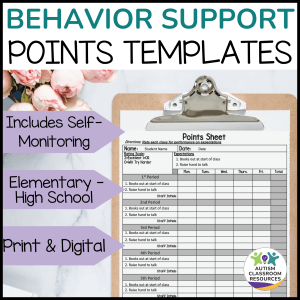
Behavior Self-Monitoring and Point System Sheets – Behavior Support for All Ages
$4.00 Add to cart -
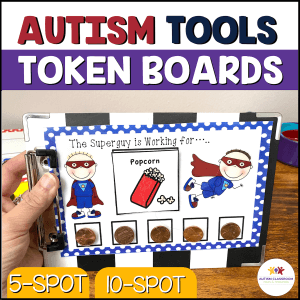
Token Boards: 10 I Am Working for Designs with 5 & 10-Tokens Plus Rewards
$3.25 Add to cart -
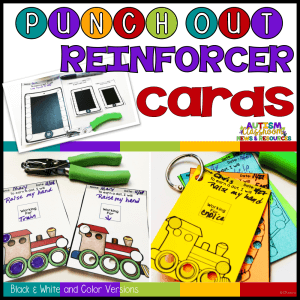
Behavior Punch Card Rewards for Reinforcement & Classroom Behavior Management
$3.00 Add to cart
Gradually you can raise the requirement over time. If you’re using a visual representation like a token board, you can leave some tokens on so the student only has one more to get before being reinforced. Then when they get that one, you can drop off two and slowly move it back. This also means you can use the same type of token board across the classroom even though some students are not yet earning all the tokens on the board yet.
Step 6: Set Your Prices
Determine how many tokens students need for different reinforcers. It’s helpful to have prices vary based on the student’s preference.
Things the student loves should have a higher price. Things that are great but not their favorite can be priced lower.
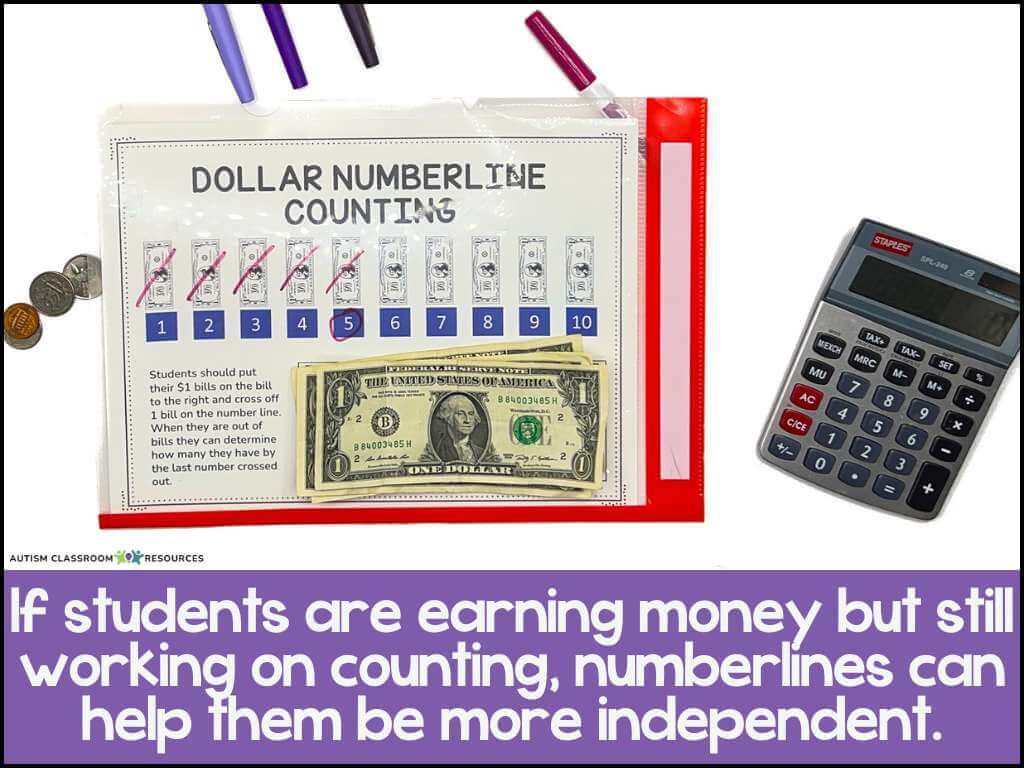
Some teachers have developed auctions for their classroom token system so students can bid on items using their money. This adds another dimension to the system.
Step 7: Make Sure Students Win
This is critical for your classroom token system: the student must be able to win. Set your earning requirement low enough that the student is successful at the beginning.
If a student never comes into contact with the reinforcer, the classroom token system itself will be meaningless. In ABA terms, the tokens won’t become conditioned reinforcers if they never lead to actual reinforcement.
Over time you can increase the amount required, but right now you want them to win. You want it to be easy.
Step 8: Take Data on Progress and Evaluate If The System is Working
If you defined your behaviors clearly, conducted good reinforcer assessments, and accurately determined how many tokens a student should earn, you should see an increase in the behavior or behaviors you are reinforcing. BUT, it’s important to take data to make sure it is working the way you want.
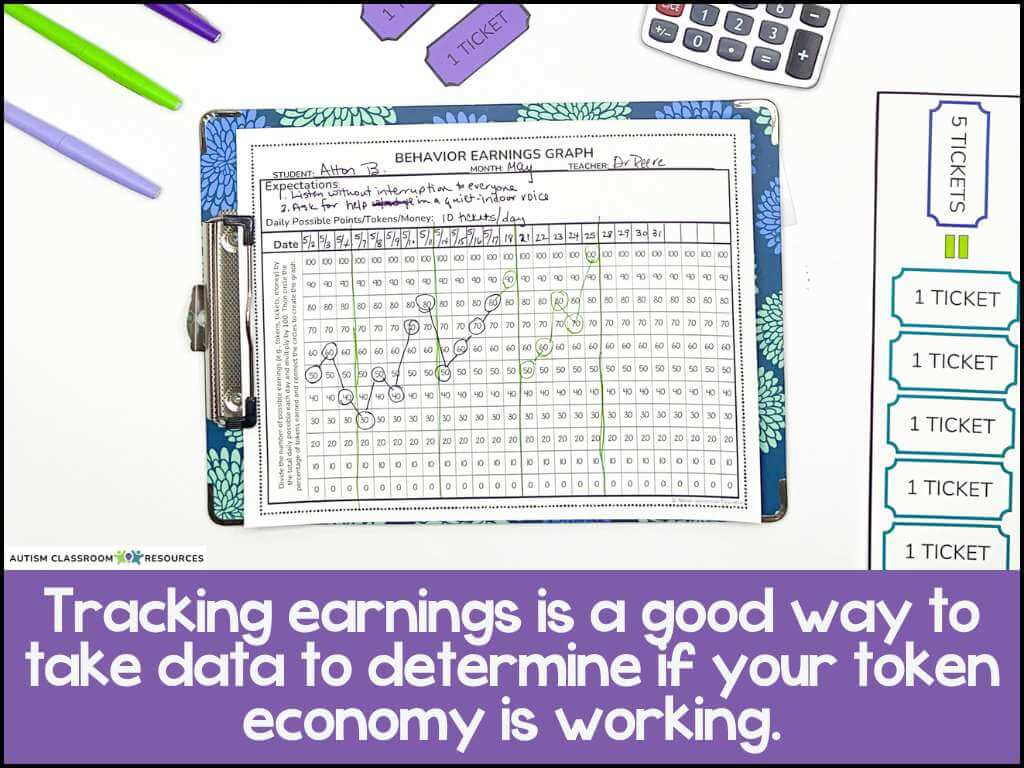
For example, for the student who we sang “For He’s a Jolly-Good Fellow” to, we realized his token board wasn’t working when he was earning just the treasure chest. His data showed us his on-task behavior wasn’t improving. In fact it was still tanking when he had an adult to gain attention from. The data told us that we needed to search for a different system or a different reinforcer to make it work. That’s how we landed on the singing from the whole class…when we thought about the function of off-task behaviors.
Real Examples of Classroom Token Systems
Classroom token systems based on applied behavior analysis work for a wide variety of students. You might use a daily sticker chart where a student earns stickers for asking for help and trying new things.
You could use a point system where a student has different classes listed and earns points for behaviors like “I’ll keep my hands to myself” and “I’ll control my voice.” They get points for different levels, and at different numbers of points they can turn them in for different levels of reinforcers.
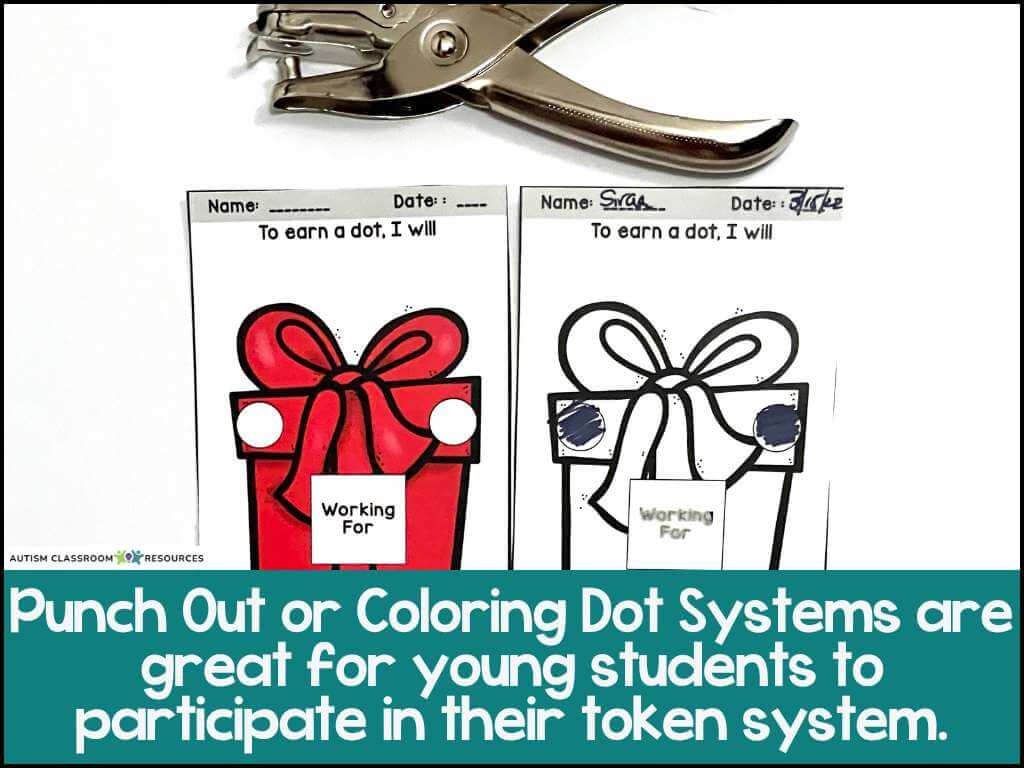
Punch-out cards are another classroom token system option. Students color in pictures (like turtles) or your use a hole punch to punch a whole on a dot. And students have to earn a certain number of pictures or hole-punches before getting reinforced.
Even preschools can use classroom token systems. Students might earn tokens on their individual boards and then save or spend their tokens on different activities that have different prices. This approach also works on counting skills as they exchange their tokens.
When to Take Away Tokens (and When Not To)
Response cost is an ABA procedure where you fine students or take away tokens. Sometimes that can be a very powerful consequence. Students might lose non-contingent reinforcers or participate in a group contingency.
But for most students, you’re going to want individualized approaches in your classroom token system. Response cost is a punishment procedure in applied behavior analysis, so you want to use it very carefully.
Make sure the student truly understands why they’re losing tokens and that the cost doesn’t outweigh the benefit. You don’t want to take more away than you’re giving. Again, if students are always in the hole, why bother to try?
Also, be careful that your student truly understands how response cost works. Recognize that sometimes it’s going to set the student off when you take something away.
There are some situations in which response cost makes sense in a classroom token system and some situations in which it doesn’t. It’s just important to recognize that issue before implementing it.
A classroom token system based on applied behavior analysis principles can be a powerful tool when you set it up thoughtfully and individualize it for each student. Start with clear target behaviors, make sure students can win, and adjust as needed to keep the system working effectively.
By the way, this blog post came directly from a training in the Special Educator Academy! Want to get more training that is practical and meaningful for your classroom?
Grab a free trial below!